Begin with the way you want to live.
A place near town, a view of the lake, room for a workshop, or land for something you’ve imagined for years—tell me what matters to you. We can build your search around those priorities.
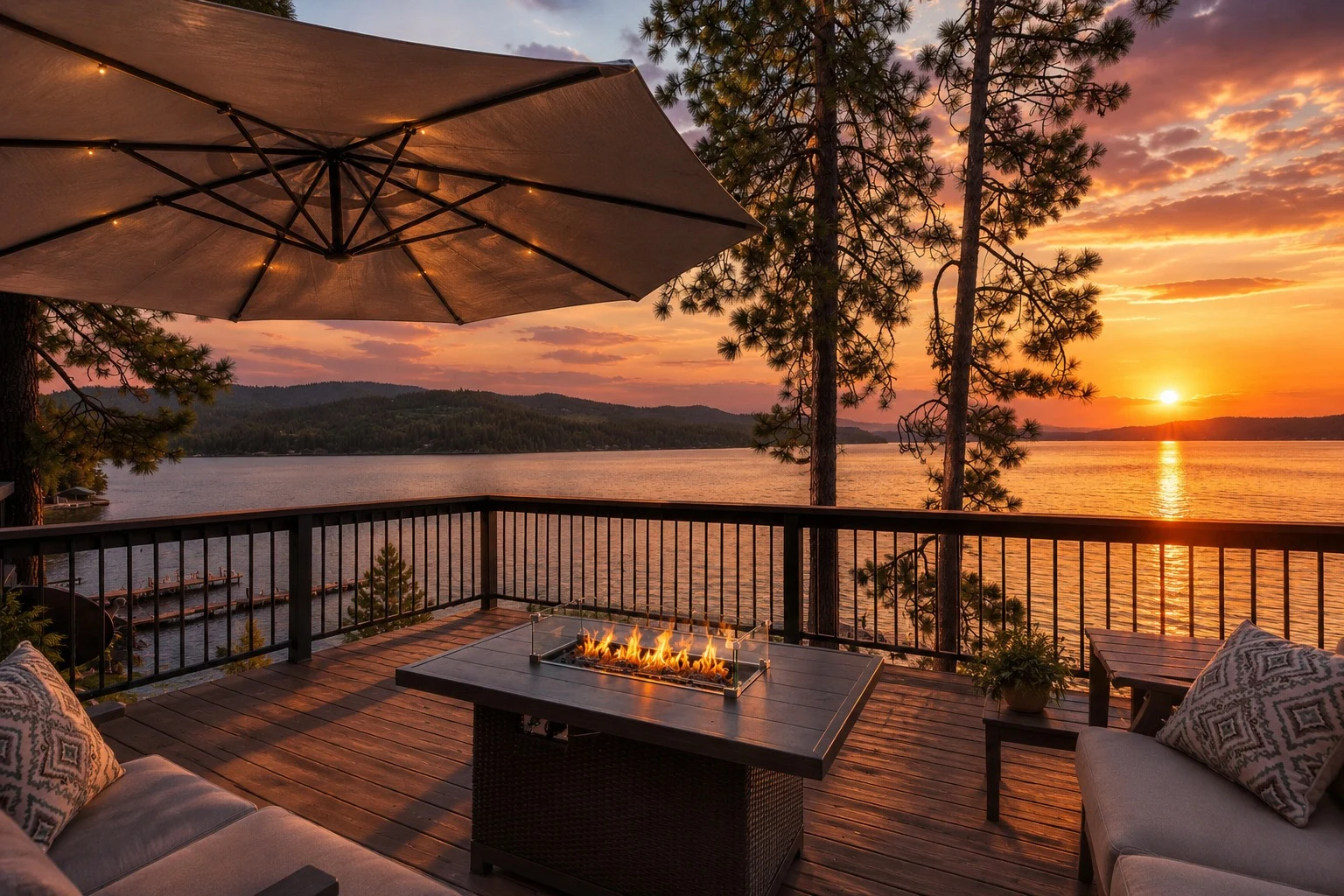
Browse communities ↗Waterfront and lake-view properties
The view is a wonderful beginning. Then come the property-specific questions: what shoreline or access rights are included, what is known about a dock, how the property is served, and what responsibilities come with ownership. I’ll help you identify the questions and the records or professionals needed to answer them.
Horse properties, ranches, and farms
This is a central part of my work and my life. I’ve had horses for most of my life and still train and ride. More than half of my real estate work involves horse properties, ranches, and farms.
We’ll look beyond the barn photo: usable flat-to-rolling ground, drainage, pasture and turnout, fencing, water, trailer access, shelter, and room to ride. If breeding is part of your plan, a separate foaling area belongs on the checklist.
Plan for the everyday work
Where will you buy hay, when should you arrange delivery, and how much can you store? Cutting schedules and quality vary with weather and the supplier. Ask about harvest and storage conditions, and have feed suitability assessed for your animals. We’ll look at dry storage, wildlife protection, and how hay reaches a loft—whether by trolley, elevator, or another loading arrangement.
Your equipment needs depend on your land, chores, implements, and bale-handling requirements. We can identify those needs so you can discuss tractor capacity and safe operation with an equipment professional. Winter water, snow removal, manure management, and shelter for chickens or other livestock also deserve a plan.
Build your local support network
Before your horses arrive, establish large-animal veterinary care and emergency coverage, line up a farrier and hay supplier, and confirm where riding is permitted. A trail nearby does not automatically mean legal access from your property. I can help you identify local resources and the questions to ask about availability and service areas.
Moving horses into Idaho
Idaho generally requires a Certificate of Veterinary Inspection (CVI) and a negative Equine Infectious Anemia (EIA, often called Coggins) test within the preceding 12 months. Exceptions and additional disease-related restrictions can apply. Before hauling, have your veterinarian confirm the current requirements for your origin, route, and destination, including timing, identification, and any brand-inspection requirements.
Check Idaho’s current equine entry requirements ↗
Transport guidance checked October 24, 2026. Confirm current requirements before travel.
Acreage, land and off-grid homes
I’ve lived off-grid and built homes myself. I know why water, septic, power, road access and usable ground deserve careful attention. A parcel needs to work for your plans, and the answers are different from one property to the next.
A clear path from interest to ownership
- Talk through your goals, timing and priorities.
- Discuss financing or proof of funds and the arrangements for working together before touring.
- Explore properties and identify questions early.
- Plan an offer and the due diligence appropriate to that property.
- Stay in communication through inspections, deadlines and closing.
Start with a question.
You don’t have to have every answer yet. I’m happy to help you work out where to begin.